

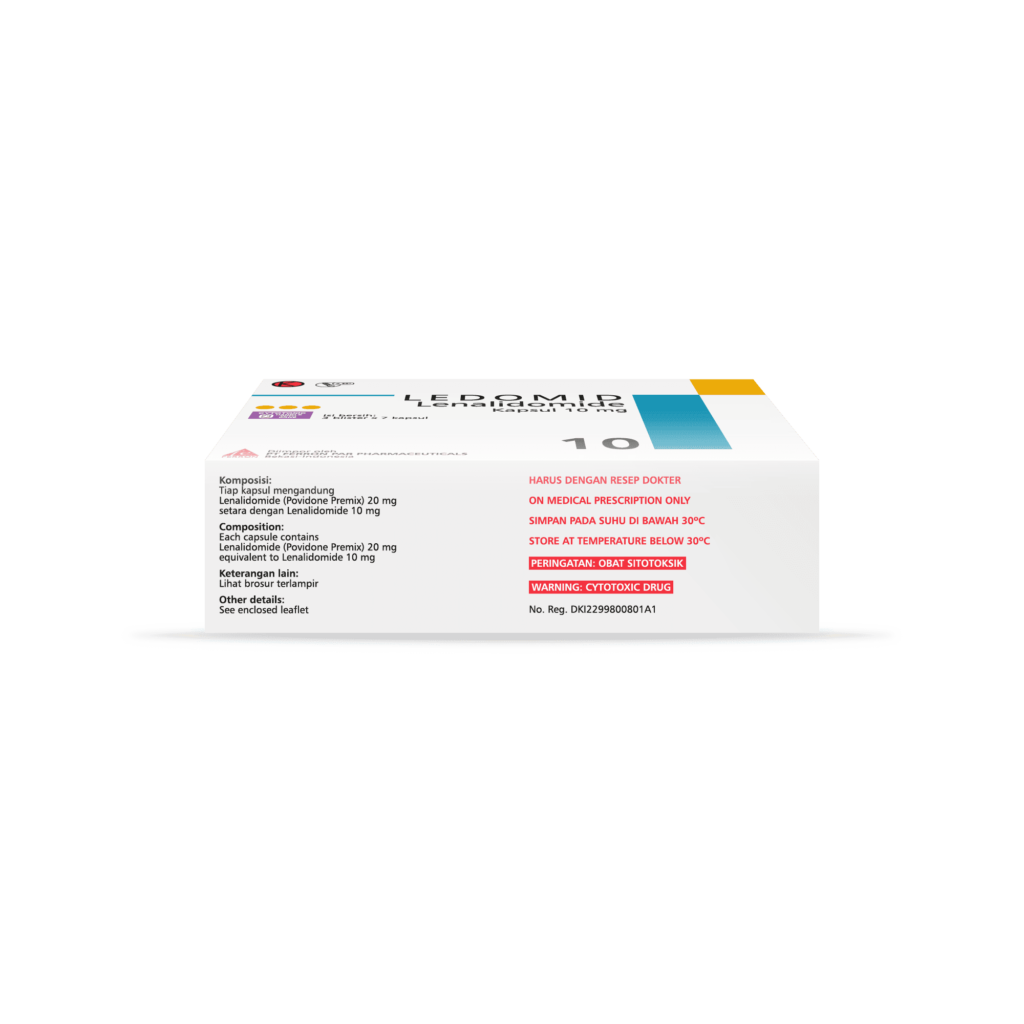
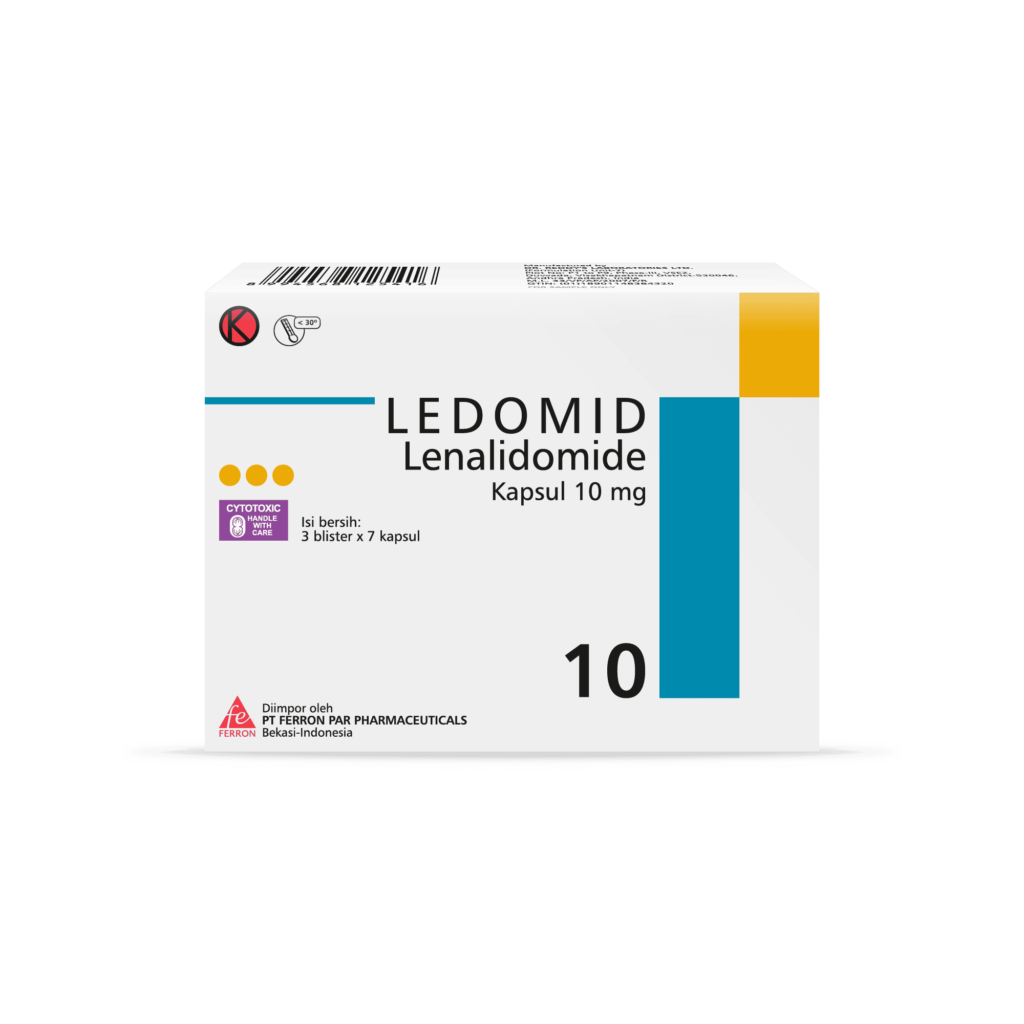
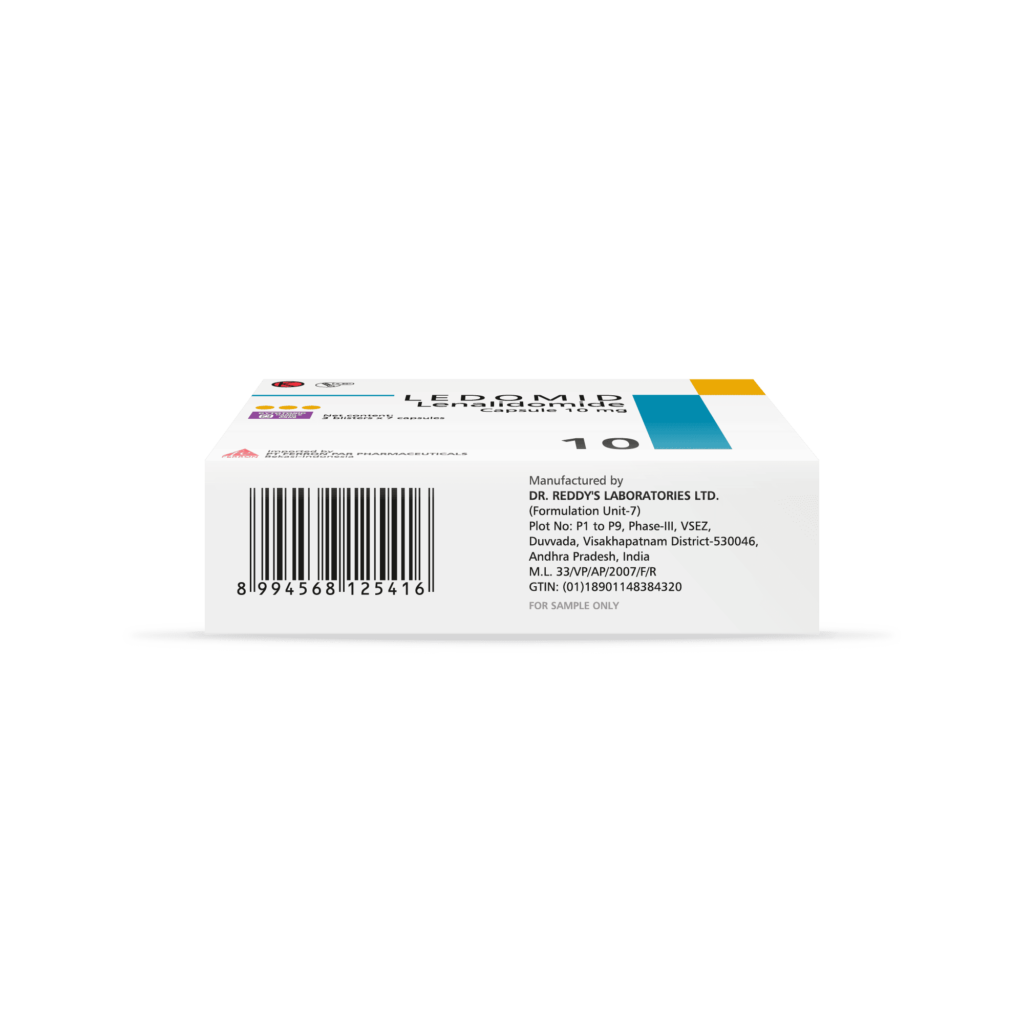
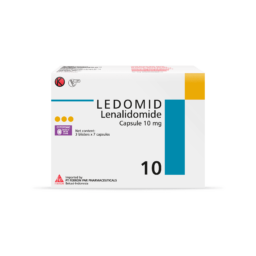
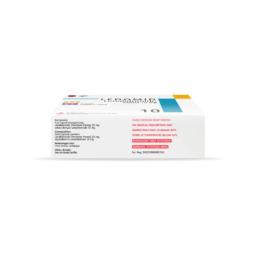
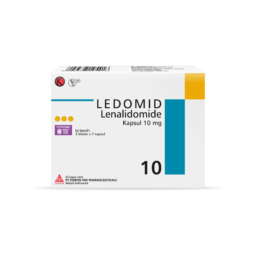
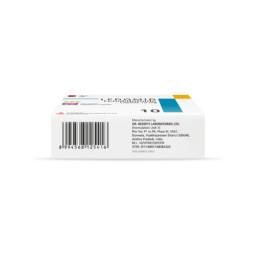
Ledomid 10 mg
 Indonesia • Ferron Par Pharmaceuticals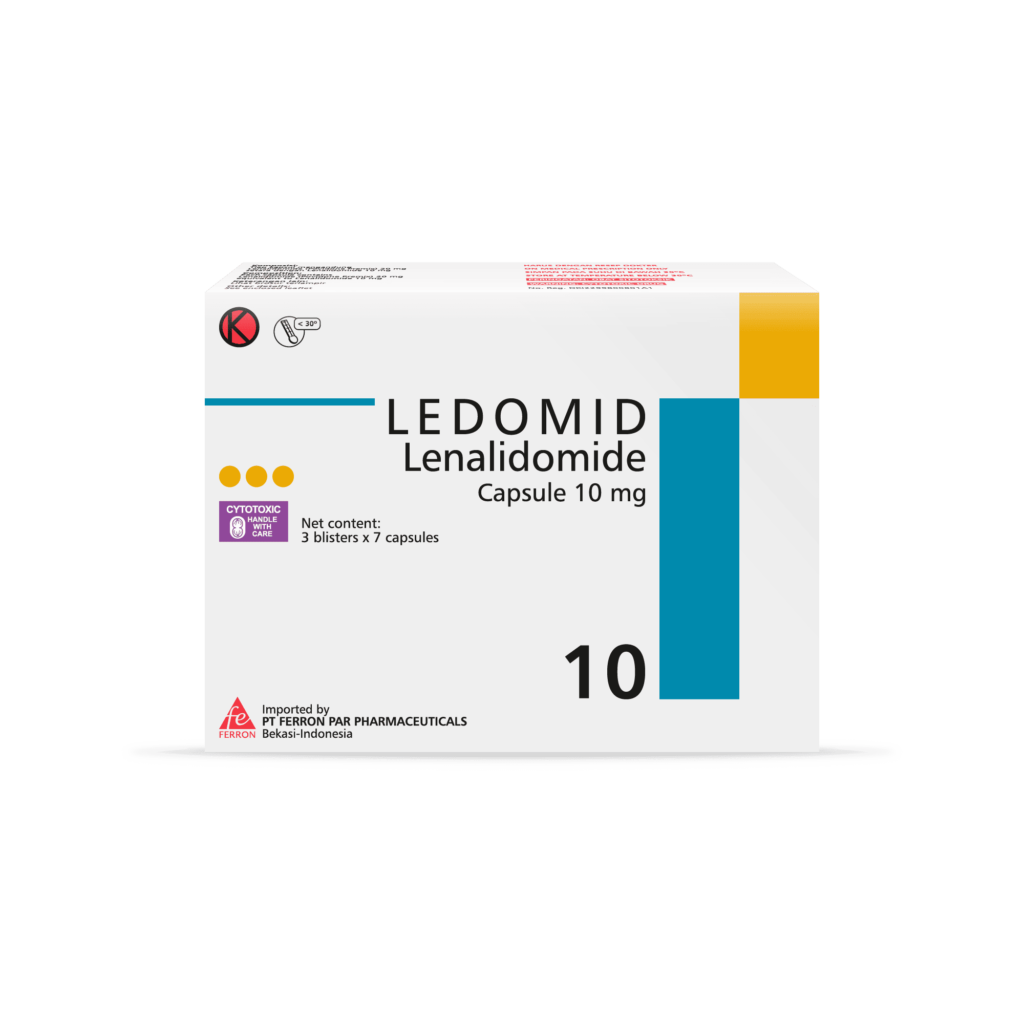
Indication
Multiple myeloma
Lenalidomide as combination therapy with dexamethasone is indicated for the treatment of adult patients with previously untreated multiple myeloma who are not eligible for transplant. Lenalidomide as combination therapy with melphalan and prednisone is indicated for the treatment of ≥65 years old patients with previously untreated multiple myeloma who are not eligible for transplant.
Lenalidomide in combination with dexamethasone is indicated for the treatment of multiple myeloma in adult patients who have relapsed or have progressive disease after receiving at least one prior therapy.
Myelodysplastic syndromes
Lenalidomide as monotherapy is indicated for the treatment of adult patients with transfusion dependent anemia due to low or intermediate-1-risk myelodysplastic syndromes associated with an isolated deletion 5q cytogenetic abnormality when other therapeutic options are insufficient or inadequate.
Mantle cell lymphoma
Lenalidomide as monotherapy is indicated for the treatment of adult patients with relapsed or refractory mantle cell lymphoma.
Composition
Lenalidomide 10 mg
Package
Dosage Forms
 Capsule
ATC Classification
Warning



Dosage
0-18 Years Old
Lenalidomide should not be used in children and adolescents from birth to less than 18 years because of safety concerns.
18-65 Years Old
Newly diagnosed multiple myeloma (NDMM)
Lenalidomide in combination with dexamethasone until disease progression in patients who are not eligible for transplant.
The recommended starting dose of lenalidomide is 25 mg orally once daily on day 1-21 of repeated 28 day cycles. The recommended dose of dexamethasone is 40 mg orally once daily on days 1, 8, 15 and 22 of repeated 28 day cycles. Patients may continue lenalidomide and dexamethasone therapy until disease progression or intolerance.
Lenalidomide in combination with melphalan and prednisone followed by lenalidomide maintenance in patients who are not eligible for transplant.
The recommended starting dose is lenalidomide 10 mg orally once daily on days 1 to 21 of repeated 28 day cycles for up to 9 cycles, melphalan 0.18 mg/kg orally on days 1 to 4 of repeated 28 day cycles, prednisone 2 mg/kg orally on days 1 to 4 of repeated 28 day cycles. Patients who complete 9 cycles or who are unable to complete the combination therapy due to intolerance are treated with lenalidomide monotherapy as follows: 10 mg orally once daily on days 1 to 21 of repeated 28 days cycles given until disease progression.
Multiple myeloma with at least one prior therapy
The recommended starting dose of lenalidomide is 25 mg orally once daily on day 1 to 21 of repeated 28 day cycles. The recommended dose of dexamethasone is 40 mg orally once daily on days 1 to 4, 9 to 12, and 17 to 20 of each 28 days cycle for the first 4 cycles of therapy and then 40 mg once daily on days 1 to 4 every 28 days.
Myelodysplastic syndromes (MDS)
The recommended starting dose of lenalidomide is 10 mg orally once daily on days 1 to 21 of repeated 28 day cycles.
Mantle cell lymphoma (MCL)
The recommended starting dose of lenalidomide is 25 mg orally once daily on days 1 to 21 of repeated 28 days cycles.
65 Years and Above
Because elderly patients are more likely to have decreased renal function, care should be taken in dose selection and it would be prudent to monitor renal function.
Patients with Hepatic Impairment
Lenalidomide has not formally been studied in patients with impaired hepatic function and there are no specific dose recommendations.
Patients with Renal Impairment
Lenalidomide is primarily excreted by the kidney, patients with greater degrees of renal impairment can have impaired treatment tolerance. Care should be taken in dose selection and monitoring of renal function is advised.
No dose adjustments are required for patients with mild renal impairment and dose adjustments are recommended at the start of therapy and throughout treatment for patients with moderate or severe impaired renal function or end stage renal disease.
Method of Administration
Lenalidomide capsules should be taken orally at about the same time on the scheduled days. The capsules should not be opened, broken or chewed. The capsules should be swallowed whole, preferably with water, either with or without food. It is recommended to press only on one end of the capsule to remove it from the blister thereby reducing the risk of capsule deformation or breakage.