

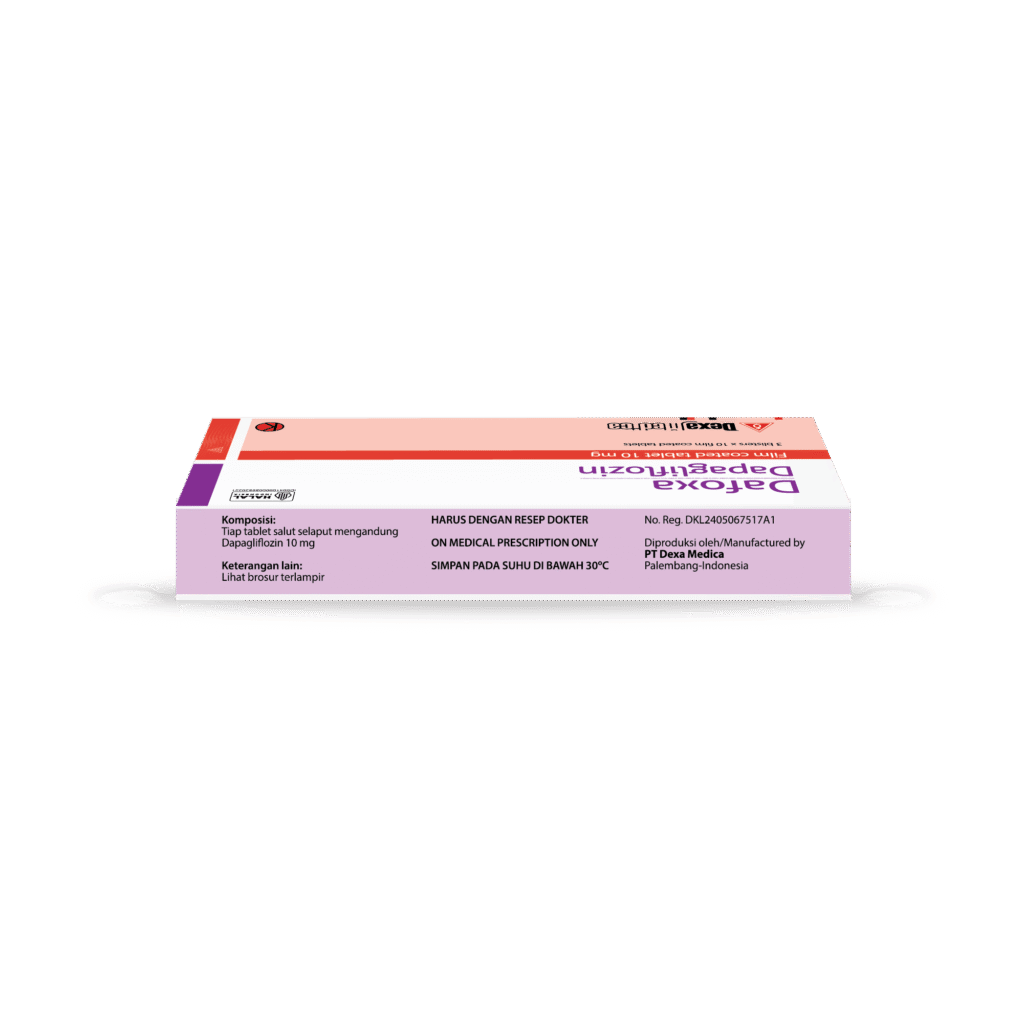
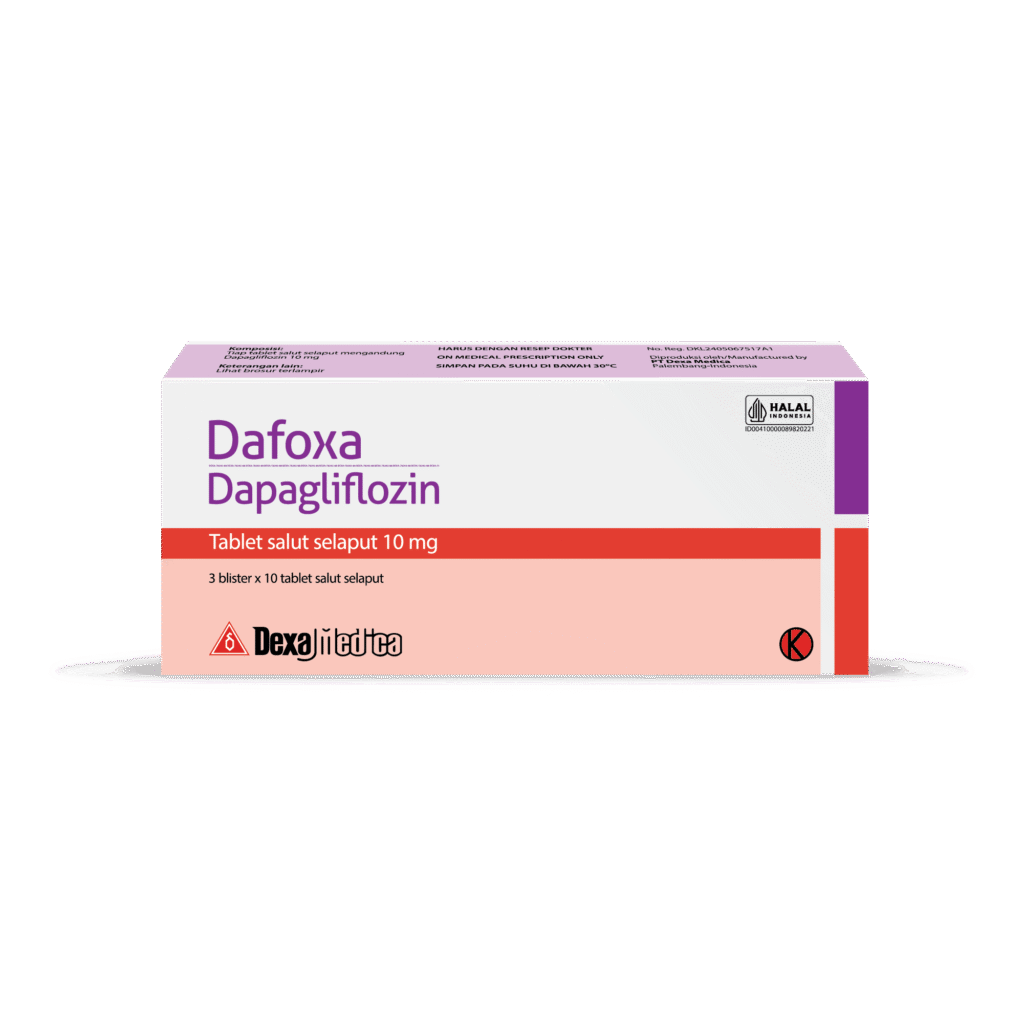
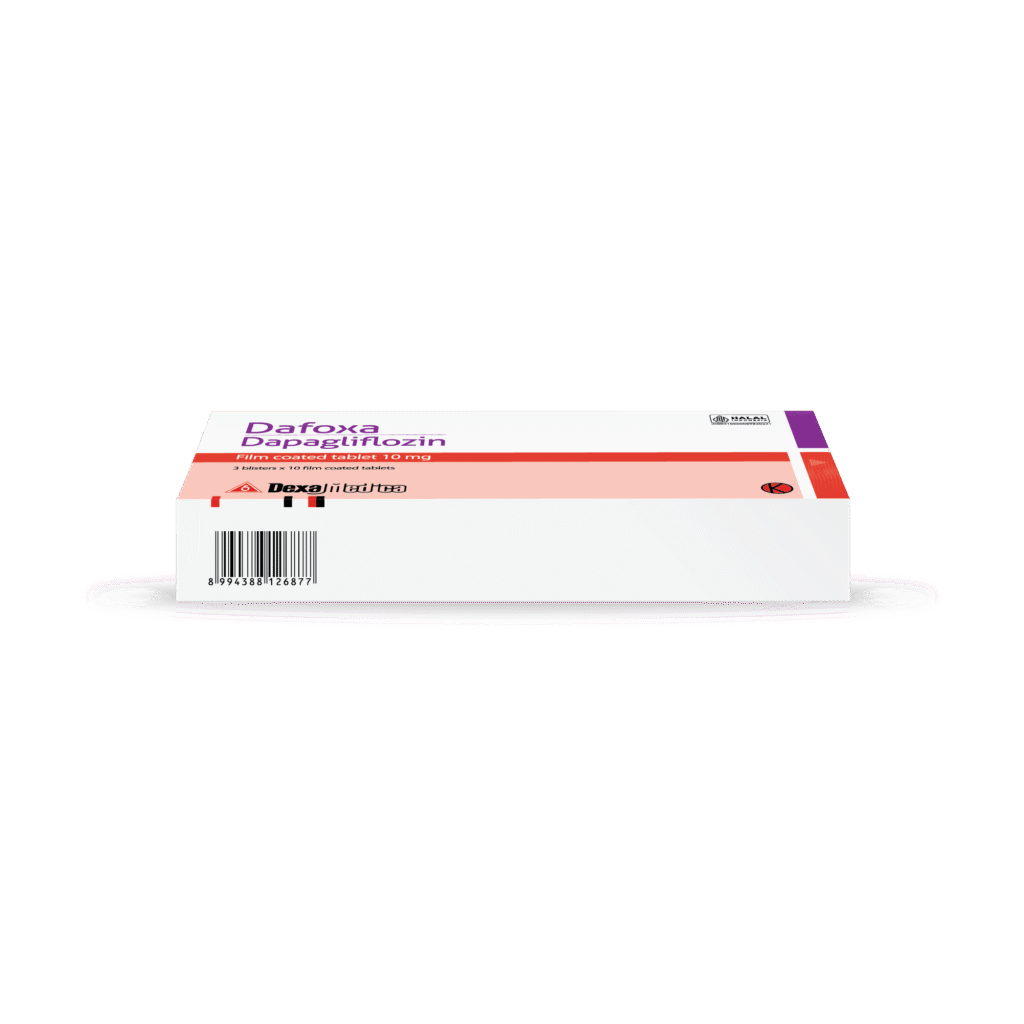
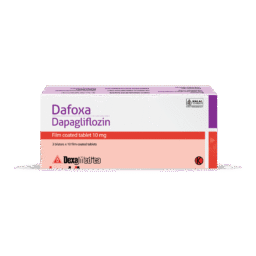
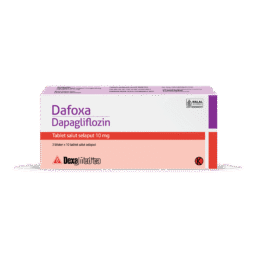
Dafoxa 10 mg
 Indonesia • Dexa Medica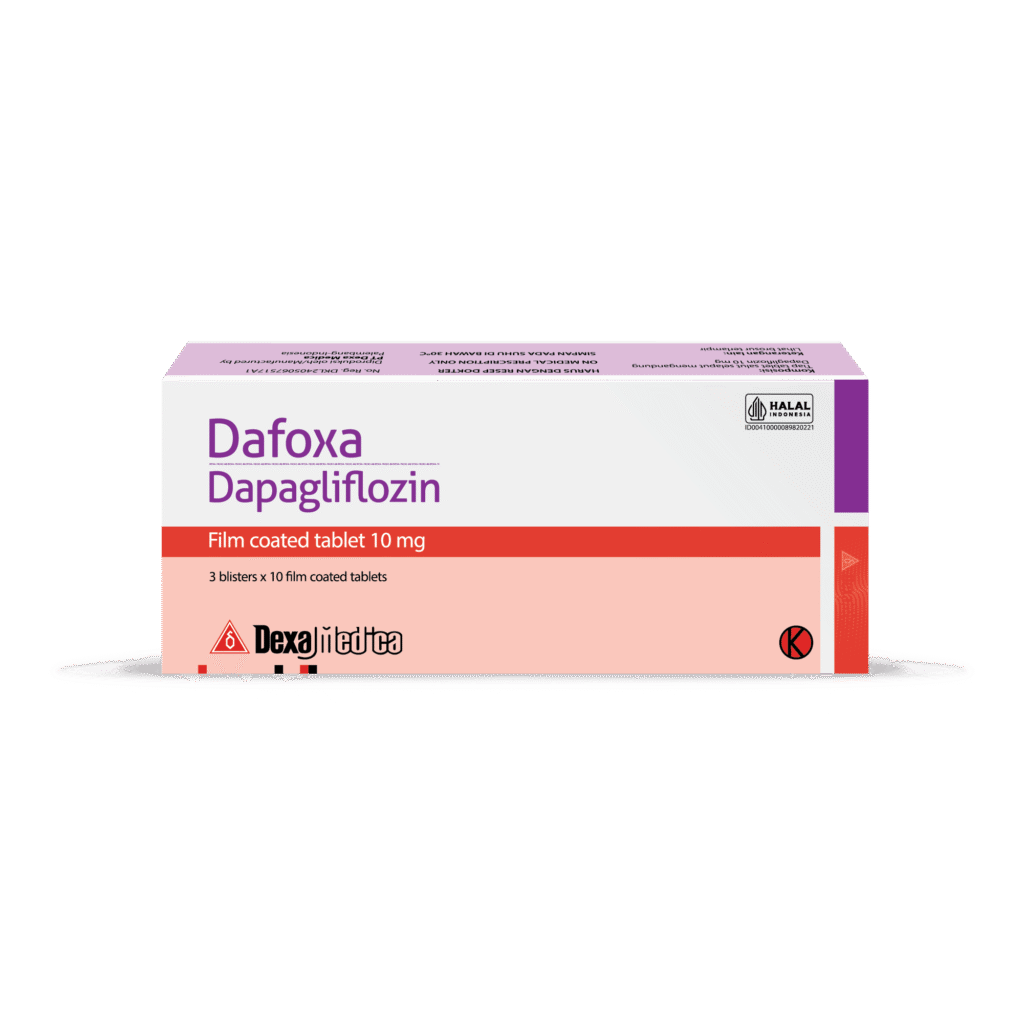
Indication
Type 2 diabetes mellitus. Add-on combination therapy. Dapagliflozin is indicated in patients with type 2 diabetes mellitus to improve glycemic control in combination with:
- Metformin.
- Pioglitazone.
- Sitagliptin (with or without metformin).
- Gliclazide, glimepiride, or glyburide (with or without metformin).
- Insulin (alone or with up to two oral antidiabetic medications).
when the existing therapy, along with diet and exercise, does not provide adequate glycemic control.
Composition
Each film coated tablet contains:
Dapagliflozin 10 mg
Package
Dosage Forms
 Tablet
ATC Classification
Warning




Dapagliflozin should not be used in patients with type 1 diabetes mellitus or for the treatment of diabetic ketoacidosis.
Renal Impairment
Treatment of diabetes mellitus.
The glycemic efficacy of dapagliflozin is dependent on renal function and efficacy is reduced in patients who have moderate renal impairment and is likely absent in patients with severe renal impairment. In patients with moderate renal impairment (GFR <60 ml/minute), a higher proportion of patients treated with dapagliflozin had adverse reation of increase in creatinine, phosphorus, parathyroid hormone and hypotension. To improve glycemic effect is dependent on renal function, dapagliflozin should not be initiated to improve glycemic control in patients with GFR <60 ml/minute and should be discontinued at GFR persistently below 45 ml/minute. Dapagliflozin has not been studied for glycemic control in patients with severe renal impairment (GFR <30 ml/menit) or end stage renal disease (ESRD). Monitoring of renal function is recommende as follow:
- prior to initiation of dapagliflozin and at least yearly thereafter.
- prior to initiation of concomitant medicinal products that may reduce renal function and periodically therafter.
- for renal function with gfr <60 ml/minute, at least 2 to 4 times per year
Hepatic Impairment
Dapagiflozin exposure is increaased in patients with severe hepatic impairment.
Ketoacidosis
Patients treated with dapagliflozin who present with signs and symptoms consistent with ketoacidosis, including nausea, vomiting, abdominal oain, malaise and shortness of breath, should be assessed for ketoacidosis, even if blood glucose levels are below 14 mmol/l (250 mg/dl). If ketoacidosis is suspected, discontinuation or temporary interruption of dapagliflozin should be considered and the patient shoudl be promptly evaluated.
Urinary Tract Infection
Urinary glucose excretion may be associated with an increased risk of urinary tract infection; therfore. temporary interruption of dapagliflozin should be considered when treating pyelonephritis or urosepsis.
Use in patients at risk for volume depletion and/or hypotension
Due to its mechanism of action, dapagliflozin increases diuresis which may lead to modest decrease in blood pressure, which may be more pronounced in patients with very high blood glucose concentrations. Caution should be excercise in patients for whom dapafliflozin induced drop in blood pressure could pose a risk, such as patients on antihypertensive therapy with a history of hypotension or elderly patients.
Elderly Patients
Elderly patients may be at a greater risk for volume depletion and are more likely to be treated with diuretics. Elderly patients are more likely to have impaired renal function, and/or to be treated with antihypertensive medicinal product that may cause change in renal function such as angiotensin-converting enzyme inhibitors (ACEI) and angiotensin II type 1 receptor blockers (ARB).
- Elevated hematocrit was observed with dapagliflozine treatment
- Dapagliflozine has not been studied in combination with glucagon-like-peptide 1 (GLP-1)
- The film coated tablets contain lactose anhydrous. Patients with rare hereditary problems of galactose intolerance, the total lactase deficiency,or glucose-galactose malabsorption should not take this medicinal product.
Dosage
The recommended dose is 10 mg dapagliflozin once daily for add-on combination therapy with metformin, pioglitazone, sitagliptin (with or without metformin) or gliclazide, glimepiride or glyburide (with or wothout metformin) or insulin (alone or with up two antidiabetic medication). When dapagliflozin is used in combination with an insulin secretagogue such as gliclazide, glimepiride or glyburide a lower dose of insulin secretagogue may be considered to reduce the risk of hypoglycemia.
Administration:
Dapagliflozin can be taken orally once daily at any time of day with or without food. Film coated tablets are to be swallowed whole.
Hepatic Impairment
No dosage adjustment is necessary for patients with mild or moderate hepatic impairment. In patients with severe hepatic impairment, a starting dose of 5 mg is recommended. If well tolerated, the dose may be increased to 10 mg.
Renal Impairment
As glycemic effect is dependent on renal function, dapagliflozin should not be initiated to improve glycemic control in patients with GFR <60 ml/minute and should be discontinued at GFR persistently below 45 ml/minute.
Elderly (≥65 years)
In general, no dosage adjustment is recommende based on age. Renal function and risk of volume depletion should be taken into account.
Pediatric
The safety and efficacy of dapagliflozin in children aged 0 to <18 years have not yet been established. No data are available.